What Are Webinars? A Beginner's Guide to Understanding One of B2B Marketing's Most Powerful Educational Channels
Webinars help B2B companies educate potential customers, build trust, and generate qualified leads through interactive online events. Learn what webinars are, how they work, why they're a powerful Demand Generation channel, and how businesses use them to engage buyers throughout their decision-making journey.

Imagine your company has just released a new research report about artificial intelligence in healthcare.
Instead of asking people to simply download the report, you invite healthcare professionals to attend a live online session where industry experts explain the findings, answer questions, and discuss real-world challenges.
People register in advance.
Join from different cities and countries.
Listen to experts.
Ask questions.
Learn something valuable.
By the end of the session, many attendees have a much deeper understanding of the topic—and a stronger impression of your company.
That's the power of a webinar.
In B2B marketing, webinars have become one of the most effective ways to educate potential buyers, build credibility, generate leads, and create meaningful relationships.
In this guide, you'll learn what webinars are, how they work, why businesses use them, and how they fit into modern Demand Generation strategies.
What Is a Webinar?
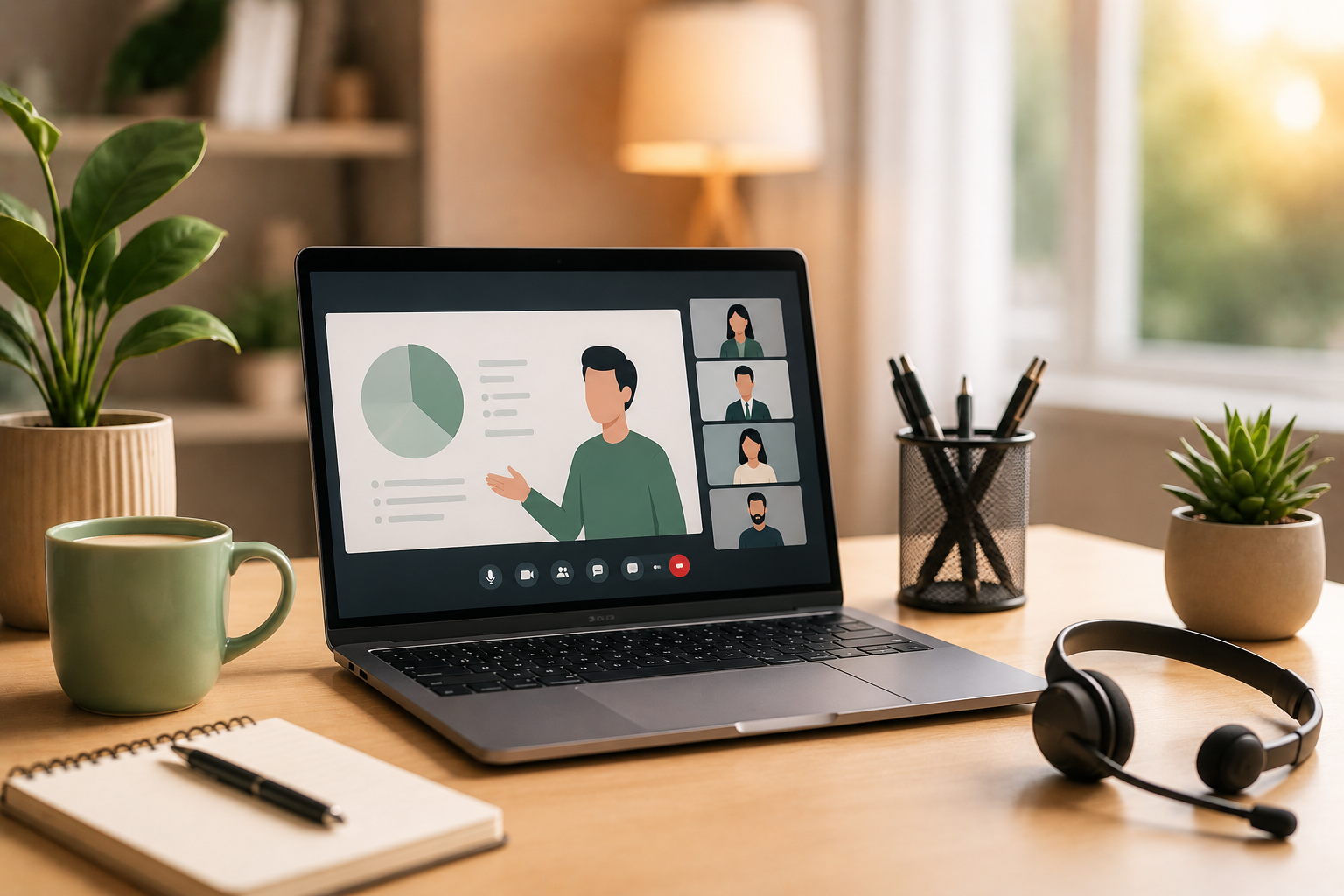
A webinar is a live or pre-recorded online educational event where a company or industry expert shares knowledge with an audience over the internet.
The word webinar comes from combining the words:
-
Web
-
Seminar
Unlike a traditional seminar held in a physical conference room, webinars allow people to attend from almost anywhere using a computer, tablet, or smartphone.
Most webinars include:
-
A presenter or speaker.
-
A specific business topic.
-
Slides or visual demonstrations.
-
Audience participation through questions or polls.
-
A question-and-answer (Q&A) session.
The primary purpose is to educate—not to deliver a sales pitch.
Let's Understand This with an Example
Imagine your company provides cybersecurity software.
Instead of immediately promoting your product, you organize a webinar titled:
"How to Protect Your Business from Ransomware Attacks in 2026."
IT Managers, Security Analysts, and Chief Information Security Officers (CISOs) register because they want to learn about cybersecurity—not because they're ready to buy software.
During the webinar, your experts explain:
-
Current ransomware trends.
-
Common security mistakes.
-
Practical prevention strategies.
-
Real-world examples.
-
Questions from attendees.
By the end of the session, attendees have learned something valuable.
Your company has demonstrated expertise.
And many participants now trust your brand more than they did before the webinar.
That's exactly why webinars are so effective in B2B marketing.
Why Are Webinars Important?
Imagine reading an article about a complex topic.
Now imagine learning that same topic directly from an experienced professional who can explain concepts, show examples, and answer your questions.
Which experience feels more engaging?
For many people, it's the second one.
Webinars create opportunities for two-way communication.
Instead of simply consuming information, attendees can interact with speakers and gain deeper insights.
This makes webinars especially valuable for topics that require explanation or demonstration.
How Do Webinars Support Demand Generation?
Think about what you've already learned.
Demand Generation focuses on educating buyers before they're ready to purchase.
Webinars do exactly that.
They help businesses:
-
Share expertise.
-
Build trust.
-
Demonstrate thought leadership.
-
Answer common questions.
-
Introduce new ideas.
-
Educate potential buyers.
Rather than asking people to buy immediately, webinars help them make better decisions by providing useful information.
That's why webinars are often used near the top and middle of the Marketing Funnel.
How Does a Webinar Work?
Although every company has its own process, most webinars follow a similar structure.
Step 1: Choose a Valuable Topic
Successful webinars focus on solving a real problem.
Examples include:
-
Cybersecurity best practices.
-
B2B lead generation strategies.
-
Marketing automation.
-
Cloud migration.
-
AI in customer service.
-
Industry trends.
The topic should be educational and relevant to the audience.
Step 2: Invite the Right Audience
Businesses promote webinars through channels such as:
-
Email marketing.
-
LinkedIn.
-
Content syndication.
-
Paid advertising.
-
Company websites.
-
Partner communities.
Interested people register by completing a simple form.
Step 3: Deliver the Webinar
During the session, presenters usually:
-
Introduce the topic.
-
Share insights.
-
Demonstrate examples.
-
Explain practical solutions.
-
Answer audience questions.
The focus should remain on educating rather than selling.
Step 4: Follow Up After the Webinar
The relationship doesn't end when the webinar finishes.
Businesses often:
-
Share the webinar recording.
-
Send presentation slides.
-
Provide additional resources.
-
Invite attendees to future events.
-
Continue nurturing interested prospects through email.
This helps maintain the relationship long after the event.
What Topics Are Suitable for Webinars?
Almost any educational topic can become a webinar.
Some common examples include:
-
Industry trends.
-
Research findings.
-
Best practices.
-
Product demonstrations.
-
Customer success stories.
-
Regulatory updates.
-
Expert interviews.
-
Panel discussions.
Keep Reading
You've reached the end of your free preview. Create a free account to read the rest of this article and unlock the full B2Bmedium library.